

Benefits of Ashwagandha for Perimenopause
At Opal & Joy, we only use the very best, high-quality, clean ingredients to make our products. Ashwagandha, found in our Relax sleep support product as part of our Restorative Sleep System,

What Is Ashwagandha?
Ashwagandha (Withania somnifera) is a powerful adaptogenic herb that's been used in Ayurvedic medicine for centuries. Adaptogens are natural substances that help the body manage stress and maintain balance.
Known as the "Indian ginseng," ashwagandha is prized for its ability to:
- Reduce stress and anxiety
- Improve sleep quality
- Boost energy levels
- Support hormonal health
For women going through perimenopause, these benefits can make a significant difference in managing symptoms and improving quality of life.
Clinical Studies That Support Ashwagandha for Perimenopause
- Does Ashwagandha improve sleep? A systematic review of randomized controlled trials.
- A study of the efficacy of Ashwagandha in improving cardiorespiratory endurance and sleep in healthy adults.
- Clinical evaluation of the pharmacological impact of ashwagandha root extract on sleep in healthy volunteers and insomnia patients.
- Effect of Ashwagandha (Withania somnifera) extract on sleep: A systematic review and meta-analysis.
- A standardized Ashwagandha root extract alleviates stress, anxiety and improves quality of life.
- Efficacy and Safety of Ashwagandha Root Extract on Sleep Quality in College Students.
- The effect of Ashwagandha on sleep quality in people with Non-Restorative Sleep (NRS).
How Does Ashwagandha Work?
Ashwagandha works by interacting with the body’s endocrine system and nervous system. It helps regulate cortisol (the stress hormone), supports adrenal function and balances hormones like estrogen and follicle-stimulating hormone (FSH). These mechanisms are particularly beneficial during perimenopause when hormonal fluctuations can cause a range of physical and emotional symptoms.
Additionally, ashwagandha influences the hypothalamic-pituitary-adrenal (HPA) axis, which plays a key role in stress response. By modulating this system, ashwagandha helps the body adapt to stressors more effectively.
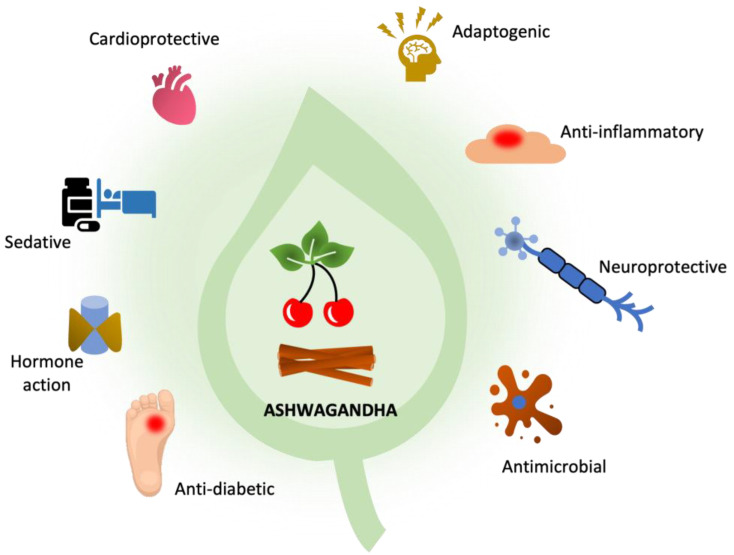
Benefits of Ashwagandha for Perimenopause
Ashwagandha offers a natural way to manage many of the physical and emotional challenges of perimenopause. This adaptogenic herb provides comprehensive support during this transitional phase, from reducing stress and improving sleep to balancing hormones and easing hot flashes.
Reduces Stress and Anxiety
One of ashwagandha’s most well-documented benefits is its ability to lower cortisol levels. High cortisol can exacerbate perimenopause symptoms such as anxiety, irritability and mood swings. Clinical studies have shown that women taking ashwagandha experience significant reductions in stress levels, helping them feel calmer and more balanced.
Improves Sleep Quality
Sleep disturbances are a common complaint during perimenopause, often caused by night sweats or anxiety. Ashwagandha has been shown to improve sleep quality by promoting relaxation and reducing overactivity in the nervous system.
In one study, participants reported falling asleep faster and experiencing deeper, more restorative sleep after taking ashwagandha supplements for eight weeks.
Eases Hot Flashes and Night Sweats
Hot flashes and night sweats are hallmark symptoms of perimenopause. Research suggests that ashwagandha may help regulate body temperature by balancing hormones like estrogen and FSH. Women who took ashwagandha daily reported fewer instances of hot flashes and less severe symptoms compared to those who did not.
Supports Hormonal Balance
During perimenopause, declining estrogen levels can lead to a host of symptoms such as fatigue, brain fog and mood swings. Ashwagandha has been shown to increase circulating estrogen levels while reducing FSH and luteinizing hormone (LH) levels. This hormonal balancing effect helps alleviate many of the discomforts associated with perimenopause.
Boosts Cognitive Function
Brain fog—characterized by forgetfulness, difficulty concentrating and mental fatigue—is another common symptom of perimenopause. Ashwagandha has been found to improve cognitive performance by enhancing focus, memory retention and reaction times. Its adaptogenic properties also help reduce mental exhaustion.
Relieves Muscle Aches and Joint Pain
Ashwagandha’s anti-inflammatory properties make it effective for managing joint pain and muscle aches often experienced during perimenopause. By reducing inflammation in the body, it helps improve mobility and overall physical comfort.

How Opal & Joy Use Ashwagandha for Perimenopause
Here are some tips for incorporating ashwagandha into your routine:
Choose High-Quality Supplements: Look for products that use standardized root extracts with third-party testing for purity, like our Relax sleep support supplement.
Consistency Is Key: Take ashwagandha daily for at least 8 weeks to experience its full benefits.
Combine With Other Lifestyle Changes: Pair ashwagandha with healthy habits like regular exercise, a balanced diet and stress management techniques for optimal results.
As with any new supplement or treatment, it's advisable to consult with a healthcare professional before incorporating ashwagandha into your wellness routine, especially if you have any underlying health conditions or are taking medications. Consult your doctor if you have thyroid disorders or hormone-sensitive conditions. Ashwagandha may interact with medications such as sedatives or immune suppressants.
This content is for educational purposes only and is not medical advice.