
The Link Between Perimenopause And Inflammation
During perimenopause, your immune, nervous, and hormonal systems start communicating differently. This change can lead to more inflammation in your body.
Most conversations about perimenopause talk about changing hormones. However, estrogen also affects immune signals, stress response, tissue repair, and temperature. When estrogen levels become less predictable, these systems shift. As a result, your body may react more strongly to things that used to cause little inflammation.
That’s why perimenopause can feel like a change throughout your whole body, not just a collection of separate symptoms. You might notice lighter sleep, less steady temperature control, stiffer joints, stronger stress, and slower recovery.
Understanding inflammation during perimenopause means recognizing a real body process, so you can take clear steps to manage symptoms instead of guessing.
This guide explains what inflammation is, why it rises during perimenopause, how it affects common symptoms, and what you can do to help lower it.
TL;DR: What You Need To Know About Perimenopause And Inflammation
- Perimenopause raises inflammation because changing estrogen levels affect how your immune and nervous systems work.
- Inflammation contributes to sleep disruption, night sweats, joint discomfort, mood changes, and fatigue.
- Stress, poor sleep, unstable blood sugar, gut issues, and highly processed supplements can all increase inflammation.
- To lower inflammation, you need to support your whole system—regulate your nervous system, keep your metabolism steady, care for your gut, and choose clean supplements.
- CBD interacts with immune and nervous-system pathways and may support inflammation-related discomfort when used responsibly.
- Perimenopause is a change that impacts your nerves, immune system, and hormones at the same time. It’s not just a single symptom.

What Is Inflammation In The Body?
Inflammation is your body’s way of signaling that it needs to respond to stress, injury, or imbalance.
Short-term inflammation protects you and goes away quickly. Chronic low-grade inflammation is different. It’s a lasting, subtle increase in immune activity that affects how you feel and function every day.
Low-grade inflammation affects:
- Energy production and fatigue
- Pain sensitivity
- Sleep-wake regulation
- Mood stability
- Cognitive clarity
It's controlled by immune messengers called cytokines, stress-hormone feedback loops, nervous-system arousal thresholds, and tissue repair mechanisms. When these systems are balanced, inflammation stays low. But when regulatory signals change, as they do in perimenopause, inflammation increases.
Inflammation is carried out largely by white blood cells (leukocytes). These cells circulate in the blood and tissues, releasing chemical messengers that coordinate immune responses. During perimenopause, hormonal fluctuations influence how actively white blood cells respond to stress signals, potentially raising baseline inflammatory activity even without infection or injury. Research shows estrogen directly modulates leukocyte and immune-cell behavior, helping explain why immune regulation shifts when estrogen becomes erratic.
Many women with symptoms of inflammation have normal lab results. This doesn’t mean their experience isn’t real. It just shows that the body’s regulation has changed, even if there’s no obvious disease.
How Are Acute And Chronic Inflammation Different?
Acute inflammation is a short-term protective response. Chronic inflammation is a lasting, low-level immune activation that can disrupt normal body function.
Acute inflammation occurs when you cut your finger or fight off a virus. The immune system responds quickly, clears the threat, and then switches off. This type of inflammation is essential for healing and survival.
Chronic low-grade inflammation is different. Instead of fully switching off, immune signaling stays mildly activated for long periods. There may be no infection or injury, yet inflammatory messengers continue circulating at low levels.
Over time, this can affect:
- Sleep regulation
- Pain sensitivity
- Energy production
- Mood stability
- Tissue repair
- Metabolic function
Chronic inflammation often develops slowly. It can be caused by sleep problems, stress, unstable blood sugar, gut imbalance, lack of movement, and eating too many processed foods. It may not show up on routine blood tests, but it can still affect how your body feels.
Perimenopause is linked to a shift toward this ongoing, low-level inflammation. Changing estrogen affects immune regulation, making inflammation easier to start and slower to calm down. This is why symptoms during perimenopause often feel constant instead of coming and going.
In a recent episode of the Dr Louise Newson Podcast, Dr Rupy Aujla used the analogy of inflammation as your body’s ‘internal campfire’, providing warmth and protection when in balance, but becoming harmful if it burns too intensely.
"You need enough inflammation, because inflammation signals to your immune cells," he said.
The goal during perimenopause is not to get rid of all inflammation, since that is not possible or healthy. Instead, aim to reduce unnecessary chronic inflammation so your body can better regulate itself.
Why Does Inflammation Increase During Perimenopause?
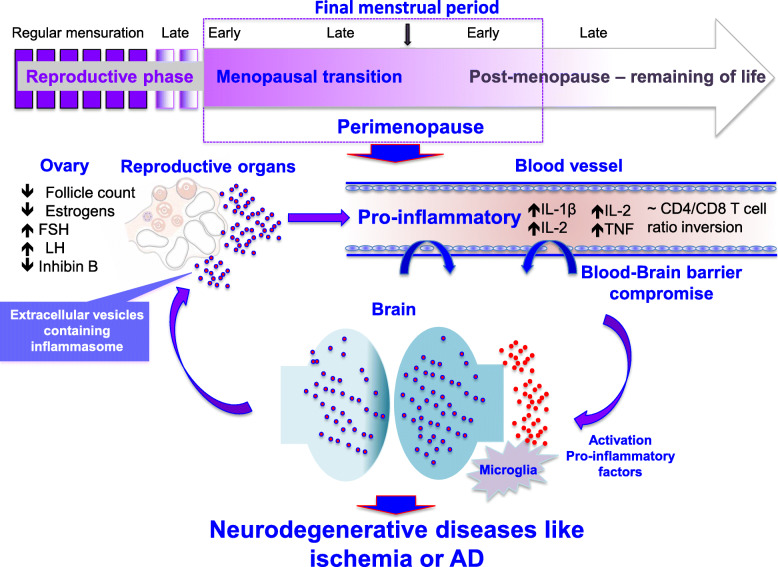
Inflammation rises during perimenopause because changing estrogen levels disrupt how your immune and nervous systems work together. Research describes menopause as a time when the body is more likely to have higher inflammation because estrogens play a key role in immune and inflammatory regulation.
Researchers of the study, Peri-menopause in a woman’s life: a systemic inflammatory phase that enables later neurodegenerative disease, found that "increasing and compelling evidence showing that estrogen decline during the menopausal transition drives a systemic inflammatory state."
Estrogen usually helps control immune cells, cytokine levels, tissue repair, and stress hormones. When you’re in your reproductive years, estrogen stays steady. In perimenopause, it becomes unpredictable, making immune signals less stable.
As a result:
- Immune cells become more reactive.
- Cytokine signaling becomes more easily activated.
- Stress-hormone rhythms become less predictable.
- Nervous-system arousal thresholds are lower.
How Does Inflammation Affect Common Perimenopause Symptoms?
Inflammation can make perimenopause symptoms worse by raising nervous system sensitivity, increasing pain, and causing sleep problems.
Sleep Disruption
Inflammation impacts the parts of your brain that control sleep and how deeply you rest. More inflammation can make you wake up more often and get less restful sleep. Research shows that sleep disturbances are associated with greater circulating inflammation in midlife women.
Additionally, women in menopause who get poor quality sleep have elevated levels of inflammatory markers, suggesting their risk for heart disease and other illnesses may be increased, researchers say.
Night Sweats And Heat Surges
Your autonomic nervous system manages your body temperature. When inflammation is high, this system gets more sensitive, making it harder for your body to keep your temperature steady.
Mood Changes And Anxiety
Cytokines affect the brain chemicals that help regulate your emotions. When inflammation is high, it can lower your ability to handle stress and make you feel more anxious.
Joint And Muscle Discomfort
Estrogen helps keep tissues hydrated, supports collagen, and manages pain. When estrogen levels change, your tissues can become more sensitive to inflammation.
Brain Fog And Fatigue
Inflammation affects how your brain uses energy and handles brain chemicals, which may play a role in brain fog.

The Sleep, Stress, and Inflammation Cycle
Sleep, stress, and inflammation influence each other and can form a cycle that keeps perimenopause symptoms active.
Poor sleep increases inflammatory signaling in the body. Elevated inflammation then heightens nervous-system arousal, making it harder to relax or stay asleep. This heightened arousal raises cortisol, the body’s main stress hormone. When cortisol rhythms become irregular, immune regulation shifts further, increasing inflammatory activity again.
In simple terms:
- Poor sleep raises inflammation
- Inflammation increases stress sensitivity
- Stress disrupts sleep
- The cycle repeats
This is why many perimenopausal women experience clusters of symptoms rather than isolated ones. Sleep disruption, anxiety, night sweats, physical discomfort, and fatigue are often part of the same biological loop.
Breaking this cycle requires supporting the nervous system at night, not just trying to force sleep.
This is one of the reasons we created the Restorative Sleep System. Sleep is not only about feeling rested the next day; it is when the body performs much of its immune regulation, tissue repair, and inflammatory reset. Without consistent restorative sleep, inflammation remains elevated and symptoms intensify.
When sleep improves, the body gains a better chance to:
- Lower inflammatory activity
- Regulate stress hormones
- Stabilize mood
- Improve physical recovery
This is why sleep support sits at the center of our perimenopause approach — because restoring sleep helps calm the entire feedback loop, not just one symptom.
How Does The Gut Influence Inflammation During Perimenopause?
The gut influences inflammation during perimenopause because gut bacteria help control immune activity and how the body processes estrogen.
Inside the digestive tract lives a community of bacteria called the gut microbiome. These bacteria are not just for digestion. They send signals to the immune system, help maintain the gut lining, and play a role in hormone balance.
One important group of gut bacteria is known as the estrobolome. These bacteria help break down and recycle estrogen in the body. When estrogen levels begin to fluctuate in perimenopause, the balance of these bacteria can shift. This can lead to:
- Changes in how estrogen is processed
- Increased immune activation in the gut
- Higher low-grade inflammation throughout the body
The gut is also closely connected to the nervous system through what is called the gut–brain axis. When the gut lining becomes irritated or more permeable, immune signals can travel more easily to the brain and nervous system. This can influence:
- Stress sensitivity
- Mood changes
- Sleep disruption
- Food sensitivities or bloating
Many women notice new digestive symptoms during perimenopause, even if they never had gut issues before. These changes are often part of the same immune and hormonal shifts driving other symptoms.
Supporting gut health can help lower overall inflammation. Simple steps include:
- Eating fiber-rich whole foods
- Reducing ultra-processed foods
- Staying hydrated
- Managing stress
- Using clean supplements without gut-irritating additives
How Does Body Composition Change Influence Inflammation?
Changes in body composition during perimenopause can increase inflammation and affect long-term bone health.
As estrogen fluctuates, many women experience a shift in where their bodies store fat. Even without major weight gain, more fat tends to collect around the abdomen. This type of fat, called visceral fat, is active tissue. It releases chemical signals that raise low-grade inflammation throughout the body.
At the same time, muscle mass often slowly declines in midlife. Less muscle means fewer natural anti-inflammatory signals from movement and reduced support for healthy metabolism. Together, increased visceral fat and reduced muscle create an environment in which baseline inflammation rises more easily.
This matters for bone health. Bones are constantly being broken down and rebuilt. Special cells remove old bone, and other cells build new bone. Inflammatory messengers, such as IL-6 and TNF-α, encourage more bone breakdown and slow new bone formation.
High inflammation from conditions such as rheumatoid arthritis is known to cause rapid bone loss. But research now shows that even modest, long-term inflammation linked to aging and menopause can contribute to gradual bone density loss, increasing the risk of osteopenia and osteoporosis over time.
In simple terms:
- More visceral fat → more inflammatory signals
- More inflammatory signals → faster bone breakdown
- Less muscle → less stimulation to keep bones strong
This is why body composition changes in perimenopause are not only about appearance or weight. They are part of a deeper shift affecting inflammation, metabolism, and bone strength.
Supporting this system includes:
- Eating in a way that stabilizes blood sugar
- Maintaining muscle with resistance or weight-bearing exercise
- Reducing chronic inflammation through sleep and stress regulation
- Monitoring bone health with a clinician when appropriate
How Does Cardiovascular Health Intersect With Inflammation In Perimenopause?
Cardiovascular health is linked to inflammation during perimenopause, as chronic low-grade inflammation affects blood vessel function and cardiometabolic risk factors.
Inflammation influences the cells that line your blood vessels, and over time, this can make arteries stiffer and less able to widen when needed. During perimenopause, estrogen levels become unpredictable, and estrogen normally helps keep blood vessels flexible and supports healthy cholesterol levels. When estrogen changes, this protective effect weakens, and inflammation becomes a more powerful influence on heart and blood vessel health.
There are a few ways this shows up in real life:
Sleep disruption increases inflammatory activity: Poor or fragmented sleep, which many women experience during perimenopause, has been linked to higher levels of inflammatory markers like C-reactive protein (CRP) and interleukin-6 (IL-6). These markers also relate to how the heart and blood vessels function.
Changes in cholesterol and metabolism: As estrogen fluctuates, the way the body processes cholesterol and glucose also shifts. Inflammatory signaling can make “bad” cholesterol more likely to stick to artery walls and make “good” cholesterol less effective.
Blood vessel sensitivity: Inflammatory activity makes blood vessels more sensitive and reactive. This can contribute to higher blood pressure and make the heart work harder.
Overlap with other risk factors: Many women in midlife also experience changes in body composition, insulin sensitivity, and stress physiology, all of which interact with inflammation and heart health.
Taken together, these changes do not mean every woman will develop heart disease during perimenopause. But they do help explain why:
- Heart disease risk increases after menopause
- Some women notice blood pressure changes, cholesterol shifts, or new sensations like chest tightness
- Managing inflammation through lifestyle helps both symptom relief and long-term heart resilience
Supporting cardiovascular health during perimenopause means:
- Prioritizing consistent sleep
- Eating a heart-healthy diet (e.g., fiber, lean proteins, healthy fats)
- Engaging in regular physical activity
- Managing stress
- Choosing clean supplements that do not add metabolic strain
Inflammation is one piece of a bigger puzzle, but it is a piece that connects daily symptoms with long-term heart health in a way that’s meaningful and actionable.
How Can Perimenopause Supplements Impact Inflammation?
Perimenopause supplements can either help reduce inflammation or unintentionally increase it, depending on the ingredients they contain.
Many women take supplements hoping for relief from sleep disruption, joint stiffness, or mood swings. But not all products are created equal. Some supplements include additives, preservatives, sugars, artificial sweeteners, or other fillers that can trigger low-grade inflammation, especially in a body already sensitive to inflammatory signals during perimenopause.
The way a supplement is formulated matters just as much as what active ingredients it contains. For example:
- Added sugars and sweeteners can spike blood sugar and activate inflammatory pathways.
- Artificial colors, flavors, and preservatives may irritate the digestive tract and influence immune signaling.
- Excessive binders or fillers like maltodextrin or certain starches can affect gut health, which in turn influences inflammation through the gut–brain–immune connection.
- Proprietary blends that do not disclose ingredient amounts make it hard to know if you’re getting meaningful levels of the ingredients you need, or just marketing hype.
When you choose supplements, focus on clean formulas that prioritize transparency and avoid unnecessary extras. Practical label-reading tips include:
- Check the “Other Ingredients” or “Inactive Ingredients” line for added sugars, artificial sweeteners, colors, or flavors.
- Prefer products with simple, transparent ingredient lists. The fewer fillers, the better.
- Avoid proprietary blends that do not disclose exact amounts of each ingredient.
- Look for products that are third-party tested for purity and quality.
The National Institutes of Health Office of Dietary Supplements notes that quality and labeling vary widely across products, and that consumers have a role in evaluating supplement safety and content.
By choosing supplements with clean, well-sourced ingredients and avoiding common inflammation triggers, you give your body the best chance to support healing rather than fuel symptoms.

What Role Can CBD Play in Reducing Inflammation?
Cannabidiol (CBD) is a natural compound from the Cannabis sativa plant that does not cause a “high.” It has gained attention for its potential health benefits, including reducing inflammation, protecting nerve cells, and helping regulate immune system activity. Research shows that CBD can influence how immune cells behave, including calming overactive immune responses, reducing inflammatory chemical signals, and supporting balance in the body’s immune system.
CBD interacts with the endocannabinoid system (ECS), a network of receptors throughout the body that helps regulate immune activity, pain perception, stress response, and sleep cycles.
CBD and Pain/Inflammation Studies
In reviews of clinical evidence, CBD has been shown to help reduce pain and inflammatory responses in certain conditions. For example, a Harvard Health review on CBD notes that while research is still growing, there is evidence CBD may help manage pain and inflammation, particularly in chronic and neuropathic pain contexts.
Cannabinoids and Immune Modulation
Broader scientific reviews describe how cannabinoids, including CBD, may influence immune cells and cytokine signaling pathways. These interactions can help calm excessive immune activation and may reduce pro-inflammatory responses.
Importantly, current research on CBD in the context of perimenopause symptoms is still emerging. While many women report improvements in sleep, tension, or discomfort with CBD use, large controlled clinical trials specific to perimenopause are limited. This means CBD should be viewed as supportive rather than a primary treatment, ideally used as part of a coordinated approach to nervous-system regulation, stress reduction, and sleep hygiene.
CBD may be especially helpful for women whose perimenopause includes:
- Nervous system overactivation at night
- Physical tension or joint discomfort
- Stress-linked sleep disruption
If you’re interested in how CBD specifically supports sleep, see our Ultimate Guide to CBD and perimenopause. For product-specific details, visit our CBD products page.
How Does Hormone Therapy Impact Inflammation?
Hormone therapy can influence inflammation by keeping estrogen levels steadier, which helps regulate immune and nervous-system activity.
Estrogen does more than control menstrual cycles. It also helps guide how immune cells behave, how blood vessels respond, how tissues repair themselves, and how the nervous system manages stress and temperature. During perimenopause, estrogen levels fluctuate unpredictably. This contributes to increased inflammatory reactivity and nervous-system sensitivity.
Hormone therapy (also called menopausal hormone therapy or HRT) works by supplying the body with consistent levels of estrogen, and sometimes progesterone. By stabilizing estrogen input, hormone therapy can:
- Reduce excessive immune activation
- Lower inflammatory signaling
- Improve blood vessel function
- Support steadier thermoregulation
- Improve sleep architecture in some women
Research shows that estrogen therapy can reduce certain inflammatory cytokines, including IL-6 and TNF-α, which are involved in chronic low-grade inflammation during the menopause transition.
Speak to your doctor for more information about HRT options.
How Does Opal & Joy Support The Perimenopausal Body?
Opal & Joy supports your body during perimenopause by calming your nervous system and lowering things that trigger inflammation. We created our products to support your changing body through perimenopause, not fight against it.

Our Rest sleep support product is designed to help support relaxation at night and overall body comfort. It includes CBD, which research suggests can interact with the body’s inflammatory and sensory signaling systems, along with botanicals traditionally used to support relaxation and natural sleep rhythms. Instead of forcing sleep or knocking you out, the goal is to help create the right conditions for your body to ease into its natural nighttime state.

We designed our Relax sleep support to support the body’s natural response to stress at night. It includes adaptogenic and Ayurvedic botanicals that have been traditionally used to help the body handle stress and support a steadier internal rhythm. When the body stays in “alert mode” at night, something many women notice during midlife, it can feel harder to fully unwind and stay asleep. Relax is designed to support a calmer evening state, helping create the conditions where the body can settle more comfortably into rest.

Our Relief CBD Oil is designed to support everyday body comfort and overall balance during midlife. Many women notice that their bodies feel stiffer or more tense during this stage of life, which can make daily movement feel less easy. Relief Oil delivers organically certified CBD in a simple, fast-absorbing format. The formula is certified organic and infused with organic peppermint oil for a fresh taste and gentle cooling sensation.
What Practical Steps Lower Inflammation During Perimenopause?
Inflammation goes down when your daily habits consistently support your body’s balance.
Core strategies:
- Maintain consistent sleep-wake timing
- Eat balanced meals that stabilize blood sugar
- Limit added sugars and ultra-processed foods
- Support gut health with fiber and hydration
- Move daily
- Practice nervous-system downshifting habits
- Choose clean supplements
- Consider targeted botanicals or CBD with guidance
Why This Transition Feels So Different
Perimenopause feels different because your hormones, immune system, nervous system, and metabolism are all recalibrating at the same time.
Earlier life changes usually affect one system at a time. Perimenopause is different. Estrogen fluctuations influence immune signaling, stress response, sleep regulation, temperature control, metabolism, and tissue repair all at once. When these systems shift together, even small triggers can feel amplified.
This is why symptoms often seem to appear in clusters rather than isolation. Sleep disruption, anxiety, physical discomfort, brain fog, and fatigue are not separate problems. They are connected through shared regulatory pathways.
Feeling inflamed, overstimulated, or “not like yourself” during perimenopause is a physiological reality, not a personal failing. Your body is adjusting to a new baseline.
With accurate information, system-level support, and clean, targeted tools, this transition becomes more understandable and more manageable. The goal is not to fight your body, but to support it as it finds its new balance.
Medical Disclaimer: The information provided in this article is for educational purposes only and is not a substitute for professional medical advice, diagnosis, or treatment. Always seek the advice of your physician or another qualified health provider with any questions you may have regarding a medical condition or before starting any new supplement.